


























Card games can look simple from the outside: a pack of cards, a table, and a set of rules. In practice, the term Kartenspiele opens a door to an enormous range of traditions, from quick family games to carefully structured casino formats. Players encounter different card values, dealing customs, bidding systems, scoring methods, and local house rules even within the same country. That variety is part of the appeal, but it also means newcomers need a reliable way to learn. A good starting point is to understand how card games are organized, why rules matter, and where to find clear explanations without getting distracted by promotional noise.
The Wide World Behind a Simple Deck
Card games appear in many cultures, and each region tends to shape them around local habits. Some games are designed for two players, while others work best with a full table. Some rely on memory and deduction; others reward risk management, teamwork, or careful counting. The same basic deck can support completely different experiences depending on how cards are dealt, what counts as a trick, and how points are scored. This is why a single name may mean one thing in one town and something slightly different in another. For a learner, that richness is exciting but also a warning: never assume that a familiar title guarantees familiar rules. Checking the specific version before sitting down is always wise.
Rules First, Variants Second
The most useful habit in card games is to establish the rules before play begins. A clear explanation should cover the number of players, the deal, the order of play, legal moves, scoring, and how the game ends. It should also say what happens in unusual situations, such as a misdeal, a tie, or a player who cannot follow suit. Variants are not a problem; they are often the heart of local play. The problem is mixing variants without agreement. Before a session, players should decide whether they are using a standard version, a house rule, or a simplified teaching format. When everyone starts from the same understanding, the game feels fairer and more enjoyable, and disagreements are less likely to spoil the mood.
Main Families of Card Games
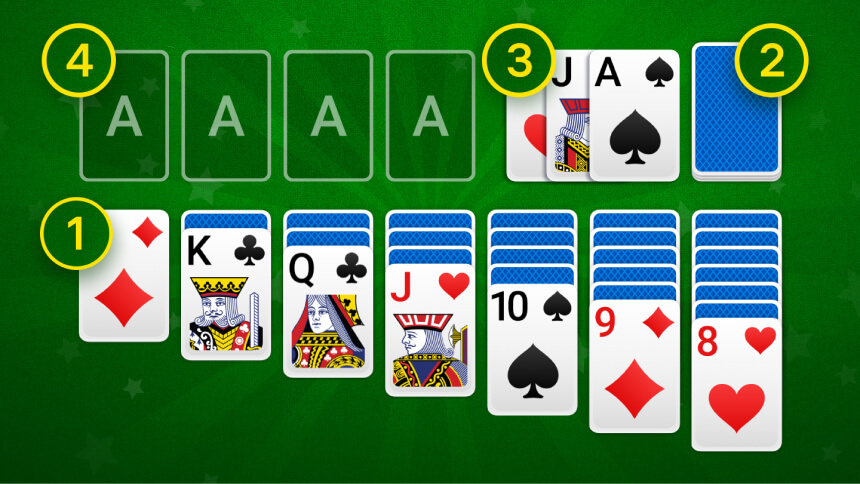
Most card games can be grouped into broad families, and knowing these families makes new rules easier to absorb. Trick-taking games focus on winning rounds and often involve trump suits or bidding. Shedding games are about getting rid of cards before opponents do. Melding games reward players for forming combinations, such as sets or sequences. Patience and solitaire games are usually played alone and emphasize order, planning, and patience. Casino-style card games add betting mechanics and a house edge, which changes the experience considerably. These categories are not rigid, and many games blend elements from more than one family. Still, they provide a mental map: once a player recognizes the basic shape of a game, the details become much less intimidating.
Learning, Etiquette, and Fair Play
Learning a card game is easier when the table is welcoming. Experienced players can help by explaining the goal first, then the turn order, and only then the finer scoring details. New players should feel free to ask for a practice round or a slower first hand. Good etiquette matters as much as knowing the rules: pay attention, avoid giving away information, announce scores clearly, and do not argue over a rule that can be checked later. In games that involve money or casino play, extra care is needed. Players should understand the stakes, set limits in advance, and treat the activity as entertainment rather than a reliable way to make income. Fair play and clear communication protect both the social side and the competitive side of card games.
Using Online Guides Wisely
Online resources can be extremely helpful for learning card games, especially when they explain rules, terminology, and regional variants in plain language. A well-maintained guide corrects errors, welcomes feedback, and separates description from promotion. That distinction matters, because some sites that discuss card games and casino games also earn money through advertising or partner offers. Readers should look for clear rule explanations, consistent terminology, and transparent corrections rather than flashy claims. If a page pushes sign-up bonuses before it explains how a game works, treat it as advertising first and reference material second. For casino-style games, stick to licensed operators and read the terms carefully. The best online learning experience leaves the reader more informed, not more pressured.
Card games reward curiosity and clarity. Learn the family, confirm the rules, respect the table, and use online guides with a critical eye. Whether the goal is family fun, competitive play, or cautious casino entertainment, a solid understanding of Kartenspiele makes every hand more enjoyable.

0 टिप्पणियाँ
अभी कोई टिप्पणी नहीं। अपना अनुभव साझा करने वाले पहले व्यक्ति बनें।